

Photo: OSCE
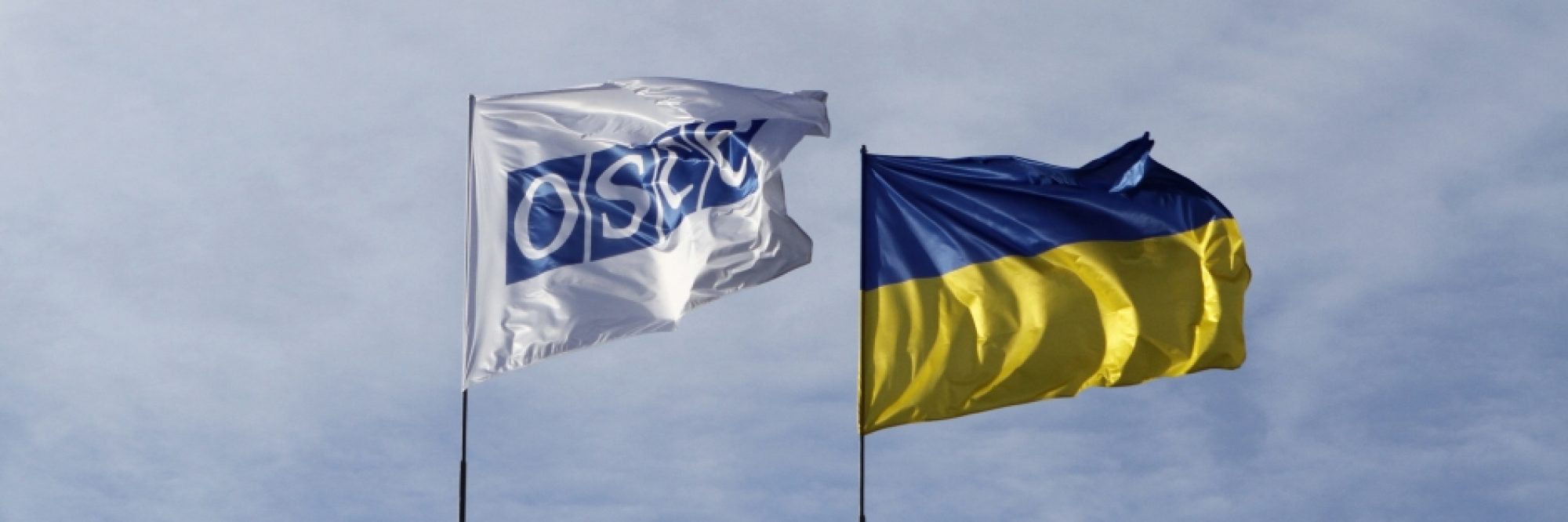
The Inspiration of the Helsinki Final Act for Civil Society in Ukraine


This article is part of the Special Issue on “The OSCE at 50: Reflections on security, cooperation and human rights”, published on a rolling basis between July and November 2025. The Special Issue was curated and edited by Walter Kemp and Christian Strohal, Security and Human Rights Monitor Editorial Board members and guest editors-in chief.
Oleksandra Romantsova (Kyiv, Ukraine)
Executive Director, Center for Civil Liberties, First Master’s in international economics, followed by a project management degree (Kyiv, Ukraine)
sasha.romantsova@ccl.org.ua
Roman Nekoliak
Senior International Relations Officer, Center for Civil Liberties, LL.M. from Ghent University (Belgium) and a Ph.D. in Law (Kyiv, Ukraine)
roman.nekoliak@ccl.org
DOI: 1058866/ZDER8322
Abstract
This essay examines the enduring impact of the Helsinki Final Act on Ukrainian civil society, arguing that human rights commitments remain crucial to security and peacebuilding. It chronicles the development of Helsinki Committees and the Centre for Civil Liberties’ evolution from documentation of abuses to international advocacy, including evidence-gathering, support for survivors, and campaigns for accountability. The paper situates civil society as a bridge between victims and institutions, emphasizes the need to integrate human rights into reconstruction, and warns that without robust transnational solidarity and legal remedies, sustainable peace will remain unattainable.
Keywords: war crimes – documentation – accountability – transitional justice – reconstruction

Comments
* Your email address will not be published