

Credit: © OSCE/Shiv Sharma
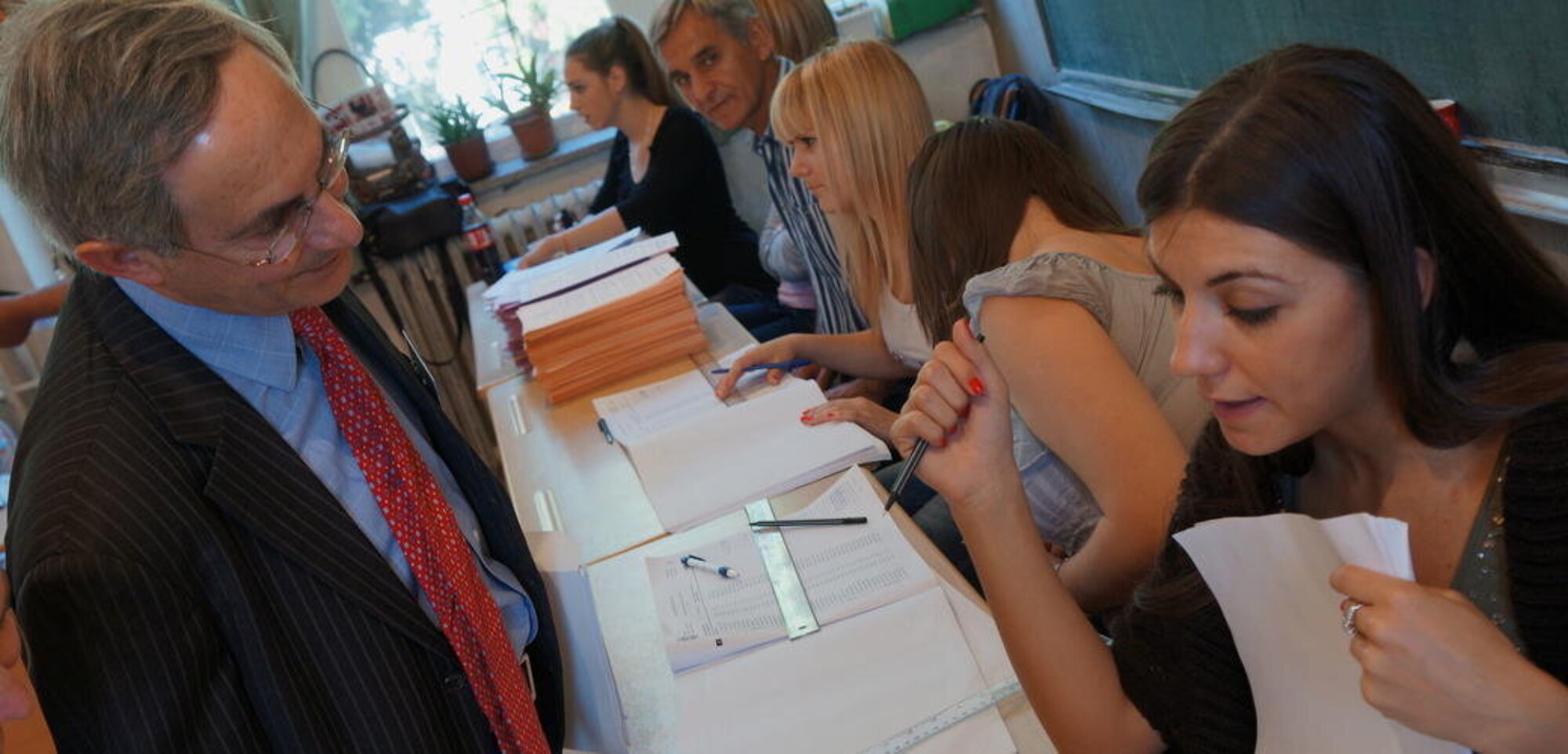
OSCE Election Observation: Credible, Inclusive, Cost- Effective


This article is part of the Special Issue on “The OSCE at 50: Reflections on security, cooperation and human rights”, published on a rolling basis between July and November 2025. The Special Issue was curated and edited by Walter Kemp and Christian Strohal, Security and Human Rights Monitor Editorial Board members and guest editors-in chief.
Douglas Wake is an independent analyst, former United States diplomat and senior OSCE official (deputy head, OSCE mission in Belgrade; first deputy director, OSCE/ODIHR; senior strategic policy expert, Office of the Secretary General; head, multiple ODIHR election observation missions)
DOI: 1058866/QQEZ6252
Abstract
This article explores how OSCE election observation evolved since 1990 into a vital means of ensuring transparency of electoral processes and assessing how they conform with international standards, resulting in recommendations that assist states in improving electoral performance and thus contributing to comprehensive security. It describes how OSCE ODIHR overcame challenges to developing rigorous methodology and organising credible observation, gaining recognition for impartiality, adapting to change, maximising inclusivity, and ensuring efficient resource utilisation. These and other challenges to the sustainability of OSCE election work must constantly be managed through effective leadership and professional engagement of ODIHR staff in partnership with supportive governments, parliamentarians, and civil society.
Keywords
democracy – elections – observation – OSCE – ODIHR – human rights
Comments
* Your email address will not be published